Cultural Restoration with Economic Literacy, Empowerment, Discipline, and Transformation
Faith Point Ministry is dedicated to the spiritual, intellectual, and culture rehabilitation of the Mestizo prison population b reconnecting incarcerated men and women with the deep roots of Mesoamerican and Native American heritage. We recognize that true restoration begins with identit - and that many within the Mestizo community descend from civilizations rich in wisdom, governance, mathematics, astronomy, agriculture, and spiritual philosophy long before modern institutions existed.
Culturally Rooted Support and Education
By restoring cultural memory, Faith Point Ministry aims to rebuild dignity, critical thinking, and leadership capacity. Participants are encouraged to see themselves not as statistics within a system, but as descendants of builders, scholars, astronomers, and community leaders.
Faith Point Ministry's ultimate mission is rehabilitation through identity restoration - forming disciplined men and women who return to their communities grounded in cultural knowledge, moral accountability, and the capacity to lead their families with wisdom and strength. Through education rooted in heritage, Faith Point Ministry cultivates transformation from within, proving that redemption begins with remembering who you are.
Original Nations Institute Rooted in Tradition,
Rising in Knowledge
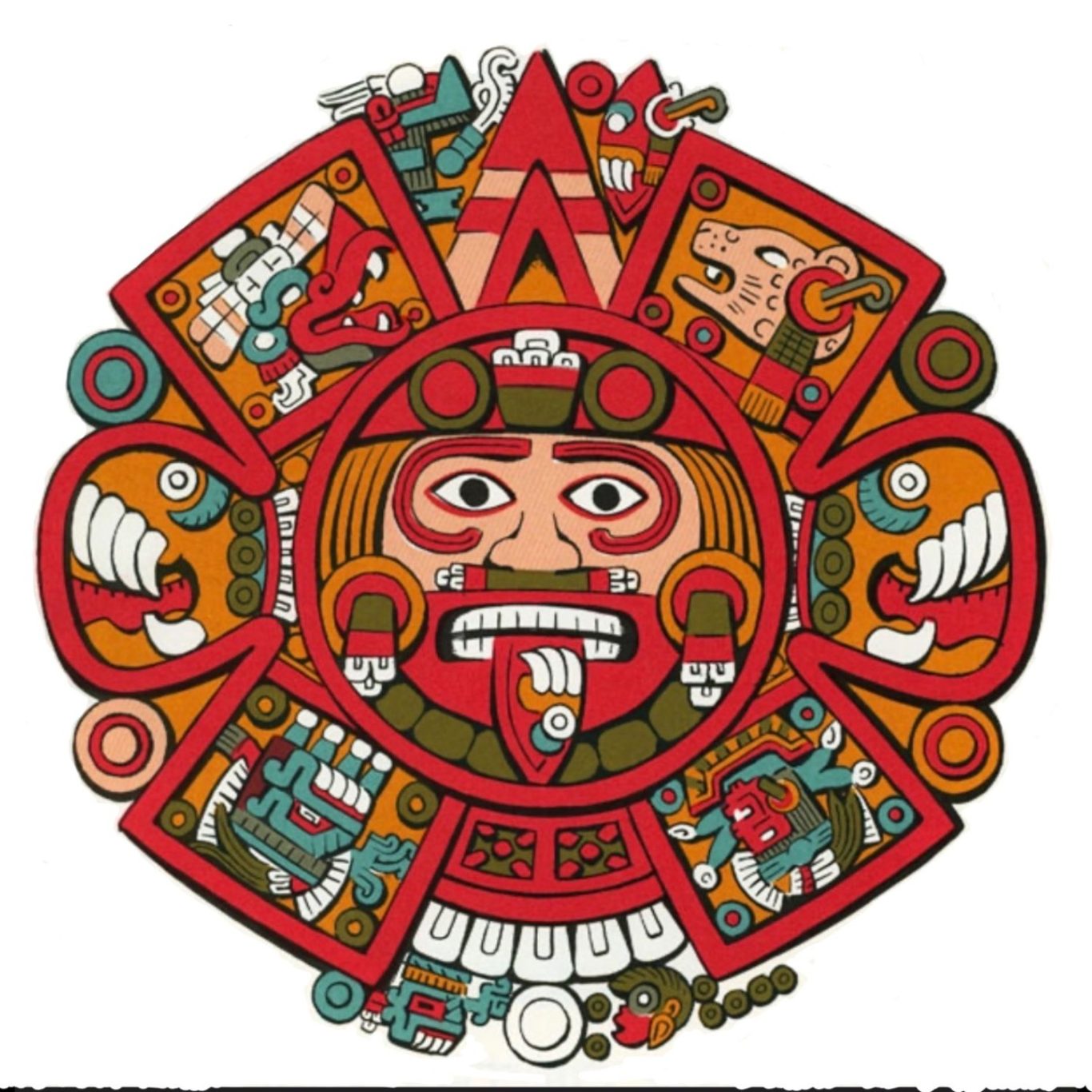
At its core, Original Nations Institute recognizes that civilizations such as the Maya civilization, Mexica ,and Toltec developed advanced systems of governance, commerce, land stewardship, education, and social accountability long before modern financial institutions emerged. Their structured markets, tribute, systems, land management models, and codified social responsibilities demonstrate that economic sophistication is not foreign to Indigenous heritage - it is foundational to it.
Building upon this legancy, Original Nations Institute provides sturctured foundational studies in:
- Business Foundation and Administration
- Trust and Estates
- Credit and Financial Literacy
- Mortgage and Real Estate
- Justice and Law Principles
The curriculum emphasizes disciplined self-study, research, and applied learning. Students are trained not only to understand systems, but to navigate them with competence and integrity. Original Nations Institute promotes sovereignty of thought, economic literacy, and generational planning as essential components of community restoration.
By uniting ancestral wisdom with contemporary financial and legal education, the Institute prepares students to become responsible stewards of land, capital, and legacy. Its mission is to cultivate leaders who. understand both where they come from and how to operate effectively within modern economic and legal frameworks - building sustainable families, enterprises, and institutions grounded in knowledge, discipline, and justice.
Toltec
Psychology on
Mirror Theory and
Cognitive Therapy
Toltec "mirror theory" drawn from the philosophical tradition attributed to the ancient Toltec, teaches that humans beings function as living mirrors to one another. What we perceive in others - admiration, anger, judgment, inspiration - often reflects beliefs, wounds, and internal agreements already present within ourselves. In this framework, reality is filtered through personal conditioning (sometimes described as "demestication"), and our reactions reveal the narratives we carry. The mirror is not about blame; it is about awareness. By odserving emotional triggers without attachement, a person can identify inherited beliefs and consciously choose new agreements.
When applied within a Mestizo cognitive therapy model, this mirror principle becomes a culturally grounded tool for psychological healing. "Mestizo" identity - formed through the historical blending of Indigenous and European ancestry - often carries layered narratives about colonization, religion, class, language, and belonging. A therapy model informed by mirror theory invites individuals to examine how internalized beliefs about identity, worth, authority, and success were shaped by both Indigenous heritage and colonial structures. Instead of viewing emotional responses as pathology, they are treated as reflections of inherited agreements that can be examined and restructured.
In practice, this resembles cognitive restructuring: Indentifying distorted thought patterns, challenging inherited narratives, and consciously adopting healthier perspectives. The distinction is that Mestizo cognitive therapy integrates cultural identity restoration into the healing process. The mirror becomes both psychological and historical - reflecting not only personal wounds but generational stories. Through awareness, disciplined self-inquiry, and cultural reclamation, individuals can reinterpret identity not as conflict between ancestries, but as an integrated source of strength.
Mesoamérican Legacy and the Path to
Restoration After
Incarceration
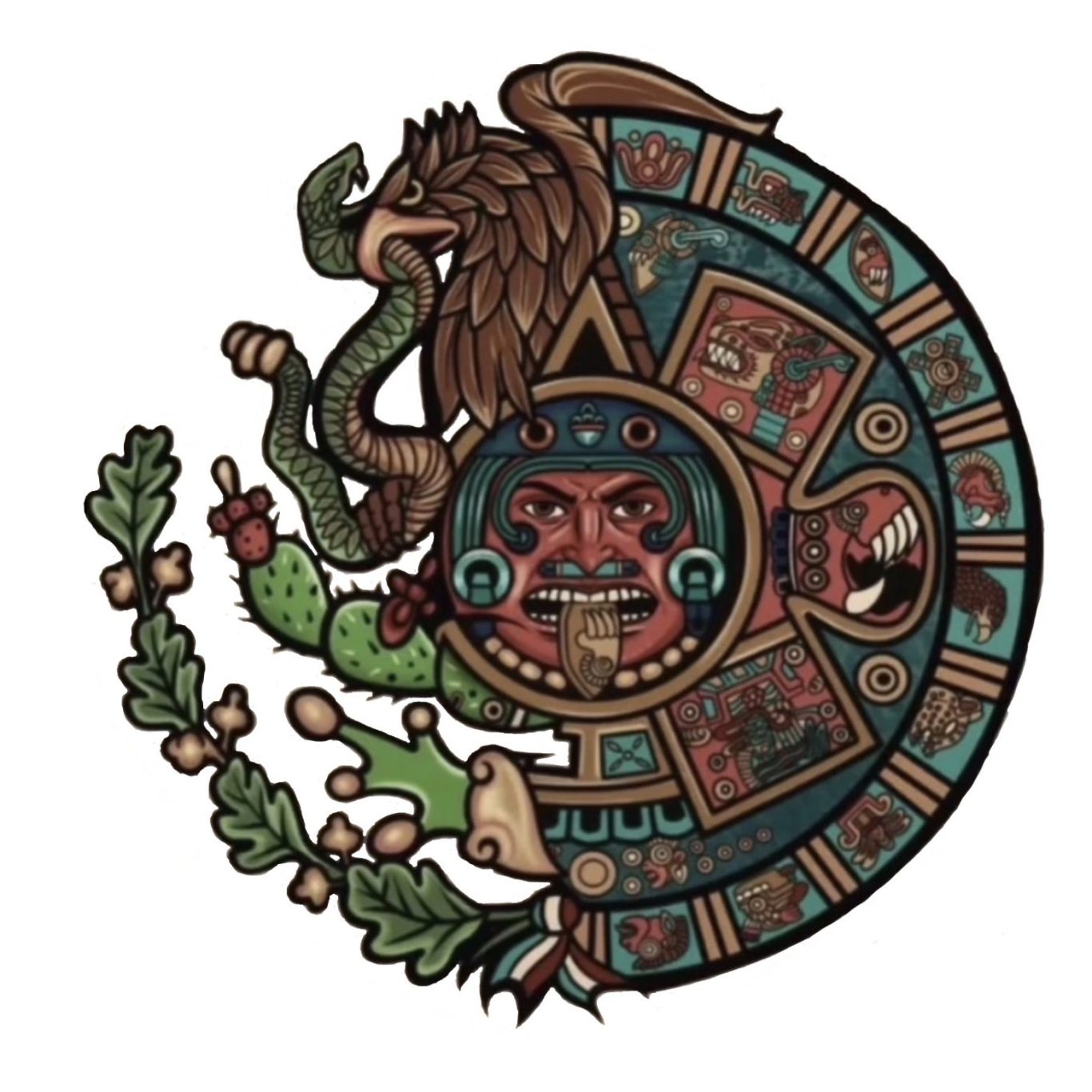
Understanding one’s identity and history can play a powerful role in helping individuals returning from prison rebuild their lives and become positive members of society. For many people, reconnecting with the Mesoamérican legacy - the traditions, values, and worldview of ancient civilizations such as the Mexica, Maya, Purepecha, and other Indigenous peoples - provides a sense of dignity, belonging, and direction that may have been lost. These cultures emphasized responsibility to family and community, respect for elders, self-discipline, spiritual balance, and the idea that a person’s life has purpose beyond individual gain. When returning citizens learn that they come from a heritage of builders, astronomers, farmers, warriors, and teachers, it challenges the labels often placed on them and replaces shame with accountability and growth. This awareness encourages individuals to take ownership of their choices, develop empathy for others, and break destructive cycles that may have affected their families for generations. By reconnecting with cultural roots and understanding how their experiences shaped them, individuals are less likely to act reactively and more likely to pursue education, mentorship, and service. In this way, reclaiming identity — especially through the values found in the Mesoamerican legacy — helps transform reentry into restoration, guiding returning citizens to contribute positively to their communities and to the future of the next generation.
Community
Empowerment Through a Mesoamérican
Perspective
For many people returning from incarceration, the greatest challenge is reclaiming their identity. Mesoamerican teachings remind us that a person is not defined by their worst mistake, but by their ability to transform. Our ancestors practiced Tlacahuapahualiztli — “the art of strengthening the human being,” where the goal was not punishment, but the development of character, self-discipline, and responsibility to the community.
Through this perspective, reintegration becomes a return to purpose. Mesoamerican philosophy teaches In Lak’ech — “I am you, and you are me,” meaning healing cannot happen unless the community also accepts responsibility for restoration. Cultural identity restores dignity, accountability replaces shame, and connection replaces isolation. Empowerment begins when individuals recognize they come from a legacy of builders and thinkers, and that their future contribution is greater than their past error.
Get in touch
E-mail:info@faithpointministry.org
Address: 304 S. Jones Blvd. Las Vegas NV. 89107